
As organizations increasingly rely on digital data to drive business operations, protecting personal information has become a critical responsibility. The Digital Personal Data Protection (DPDP) Act, 2023 establishes a regulatory framework for the collection, use, storage, and processing of personal data in India.
decote's DPDP Audit Services help organizations evaluate their current privacy practices, uncover compliance gaps, assess potential risks, and strengthen data protection controls. Our structured audit approach enables businesses to align their people, processes, and technology with DPDP requirements while building a sustainable privacy governance framework.
Personal data flows through multiple business systems, applications, cloud platforms, and third-party services. Without proper governance and oversight, organizations may face operational, regulatory, and reputational challenges.
Increased exposure to regulatory investigations and penalties.
Loss of customer confidence and long-term brand trust.
Security incidents can expose sensitive personal information and impact business continuity.
Weak consent and privacy management practices can result in non-compliance handles.
Limited visibility into how personal data is processed and shared across networks.
A DPDP audit provides organizations with a clear understanding of their current compliance posture and helps prioritize improvements to reduce risk and enhance accountability.





 Compliance Readiness
 Risk Mitigation
 Stronger Governance
 Increased Stakeholder Confidence
Delivering high-performance, compliant, and domain-specific digital ecosystems across global sectors.
Engineered secure infrastructure for modern FinTech, secure transaction pipelines, digital wallets, and automated regulatory compliance frameworks.
( knowledge_base )
A DPDP Audit is a systematic review of an organization's data protection practices to determine how effectively it complies with the Digital Personal Data Protection (DPDP) Act, 2023. The audit evaluates how personal data is collected, processed, stored, shared, and protected, while identifying areas that may require improvements to support regulatory compliance and stronger privacy governance.
Any organization that handles the personal data of individuals should consider conducting a DPDP Audit. This includes businesses and institutions that collect, process, store, or share digital personal data as part of their operations.
Industries that commonly benefit from DPDP Auditing include:
• Banking and Financial Services
• Insurance
• Healthcare and Life Sciences
• Retail and E-commerce
• Technology and SaaS
• Educational Institutions
• Government and Public Sector Organizations
• BPO and IT Service Providers
Regular audits help organizations evaluate compliance readiness and reduce privacy-related risks.
A DPDP Audit examines the policies, procedures, technologies, and controls used to manage personal data. The assessment typically reviews data governance practices, consent management processes, data retention policies, security controls, third-party data processing arrangements, privacy notices, and mechanisms for handling Data Principal requests.
The objective is to identify compliance gaps and provide recommendations for improvement.
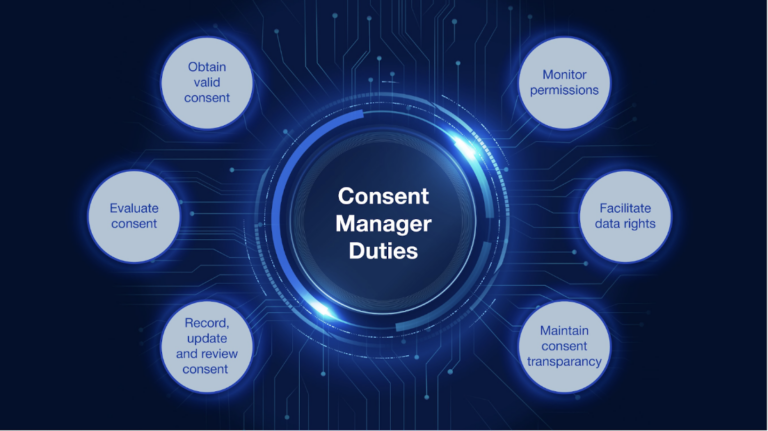
The DPDP Act places significant emphasis on obtaining and managing consent for the processing of personal data. Organizations must ensure that consent is clear, informed, specific, and capable of being withdrawn when required.
A DPDP Compliance Audit helps verify whether consent management processes are properly designed, documented, and implemented to support compliance obligations and enhance transparency.
A DPDP Audit provides organizations with a clear understanding of their current privacy and compliance posture. Key benefits include:
• Identification of compliance gaps and risks
• Improved data governance and accountability
• Enhanced protection of personal data
• Increased stakeholder and customer confidence
• Better preparedness for regulatory reviews
• Practical recommendations for compliance improvement
These insights help organizations strengthen their overall privacy framework and support long-term compliance objectives.
Organizations should consider conducting a DPDP Audit at regular intervals, typically on an annual basis, or whenever there are significant changes to business operations, technology platforms, data processing activities, or regulatory requirements.
Periodic assessments help ensure that privacy controls remain effective and aligned with evolving compliance expectations.
The DPDP Act requires organizations to comply with specific obligations related to the processing and protection of personal data. While periodic DPDP Audits may not be mandatory for every organization, conducting regular compliance assessments is considered a recommended practice for identifying risks, improving governance, and demonstrating accountability.
Organizations should monitor future regulatory guidance for any audit-related requirements applicable to their operations.
A DPDP Audit helps organizations detect weaknesses in privacy controls, data handling processes, consent management practices, and governance frameworks before they become larger compliance concerns.
By addressing identified gaps early, organizations can strengthen their data protection measures, improve regulatory readiness, and reduce the likelihood of operational, legal, and reputational risks associated with non-compliance.
Connect with decote to accelerate your digital transformation journey today.
Share your goals and explore how technology can drive value